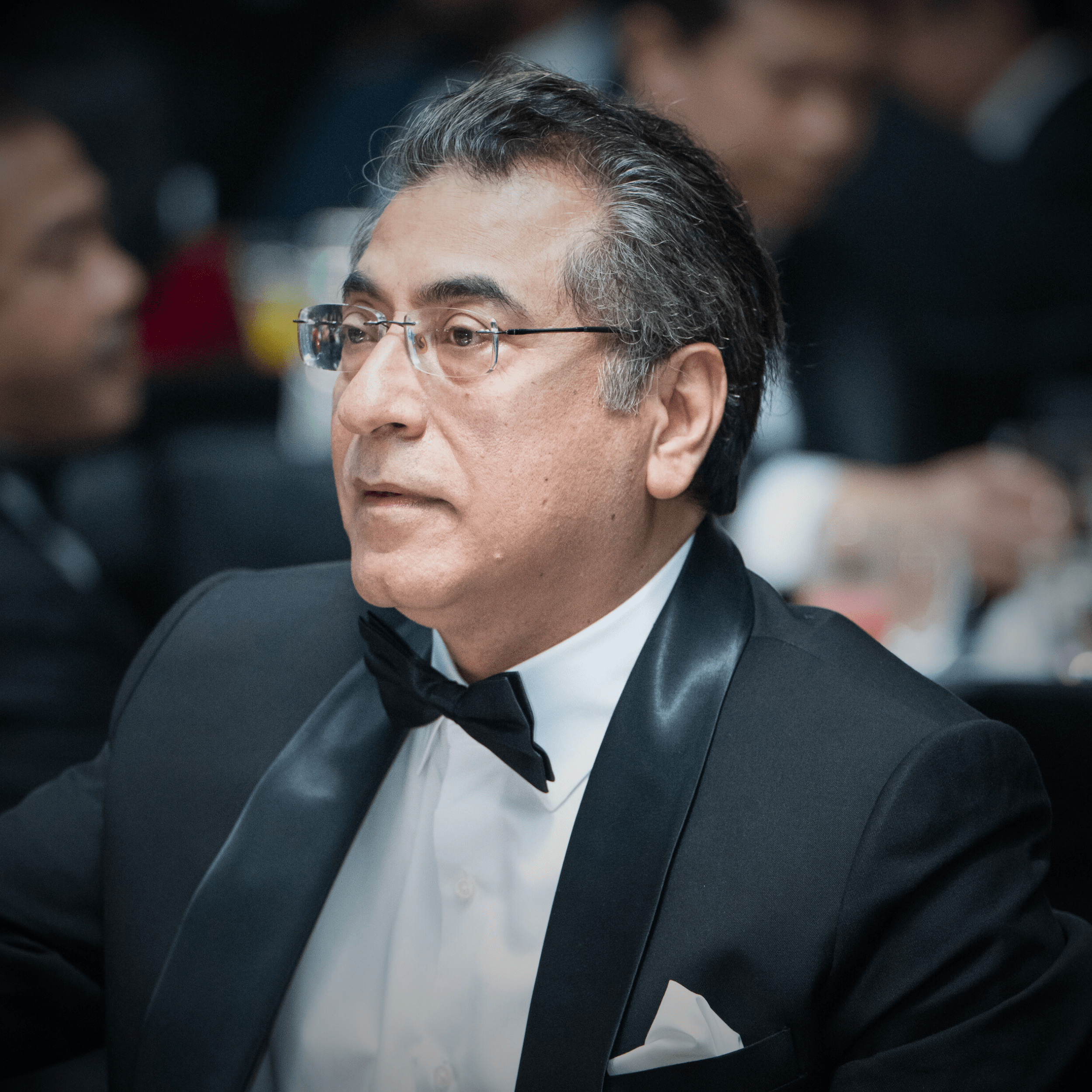
Hemant Batra*, Vice-President, SAARCLAW
Hemant is an Active Member of the UIA, who is truly active as a participant in our organization
SAARCLAW (the South Asian Association for Regional Cooperation in Law) is a recognized Apex Body of SAARC, established in 1991. It brings together judges, jurists, lawyers, academics, and legal officers from the eight South Asian countries, namely Afghanistan, Bangladesh, Bhutan, India, the Maldives, Nepal, Pakistan, and Sri Lanka. Our central aim is to promote cooperation, understanding, and knowledge-sharing within the region’s legal community. We provide a platform to discuss common legal challenges, encourage harmonization of laws, and strengthen the rule of law, justice, and good governance across South Asia.
Through conferences, seminars, workshops, research, and capacity-building initiatives, SAARCLAW works to bridge legal systems and promote collective responses to cross-border issues like environmental regulation, technology, human rights, and trade.
I serve as the elected Vice-President of SAARCLAW. In the past, I have also been its longest-serving Secretary General. My role involves strategic leadership, representing the organization at regional and international levels, and helping steer its programs and policy directions. I also work closely with country chapters, judicial stakeholders, international bodies, and academic partners to advance collaboration and ensure that SAARCLAW’s work remains relevant to the evolving legal landscape.
Law has always fascinated me, not only as a profession but also as a tool for societal transformation and a catalyst for socio-economic change. Over time, I realized that real impact often lies beyond individual practice, in institutions that build bridges, share knowledge, and shape discourse.
My journey through law, writing, and policy engagement naturally drew me toward associations that combine intellect with purpose. SAARCLAW offered exactly that: a regional platform where collective expertise can influence reform and strengthen the architecture of justice in South Asia.
The most fulfilling part is the intersection of ideas, cultures, and systems. In every SAARCLAW dialogue, you have jurists from different countries debating similar issues from entirely different angles: constitutional interpretation, environmental regulation, technology law, and access to justice.
That intellectual diversity, paired with a shared commitment to the rule of law, is energizing. It reminds you that law is not just about statutes but about people, governance, and how societies define fairness.
Yes, quite often, for conferences, consultations, meetings, and judicial forums across South Asia and even beyond. Each trip reinforces how interconnected our challenges and aspirations are.
Travel outside India, for me, isn’t just about attending events; it’s about listening to judges in Kathmandu and Thimphu, scholars in Colombo and Karachi, and young lawyers in Dhaka and Male. These conversations give texture to regional cooperation and help turn abstract ideas into actionable collaborations. We have also had collaborations with different UN bodies, Asian Development Bank, and more. These collaborations have also taken me to Bangkok and Manila for consulting projects on numerous occasions.
And yes, I enjoy it. Every journey is a reminder that while our legal systems differ, our pursuit of justice, including socio-economic, is universal.
Absolutely, and it’s already happening. Technology, especially AI, is reshaping how professional associations think, communicate, and create value.
For organizations like SAARCLAW, digital transformation means more than efficiency; it’s about accessibility and inclusion. Virtual conferences, online research collaborations, and AI-powered legal databases can break traditional barriers of geography and cost. AI can also help associations map emerging legal trends, predict policy shifts, and design data-driven programs.
At the same time, technology challenges us to revisit themes of ethics, privacy, and accountability that will define the next chapter of professional associations. The future belongs to organizations that blend human judgment with digital intelligence.
In the past decade, SAARCLAW has experienced setbacks due to geopolitical challenges. However, over the next five years, I see SAARCLAW becoming a more research-driven, digitally connected, and youth-engaged platform.
We are moving toward creating digital repositories of regional legal resources, expanding academic partnerships, and nurturing young legal professionals through fellowships and leadership programs. Our conferences will increasingly focus on transnational themes: technology law, climate justice, digital governance, migration, and regional trade.
Most importantly, I see SAARCLAW evolving from being a dialogue platform to becoming a thought leader, shaping policy through research, advocacy, and sustained engagement with governments and institutions.
If SAARCLAW’s vision of a harmonized, cooperative South Asian legal community were fully realized, and if borders stopped limiting the flow of justice, I would want to focus on deepening the law’s connection with people’s daily lives.
That might mean working toward a South Asian legal fellowship for young lawyers, or creating a public-facing legal education initiative that makes complex regional laws understandable to ordinary citizens.
Ultimately, my dream is a region where the law isn’t seen as distant or intimidating, but as a shared language of fairness and progress. And if SAARCLAW helps bring us closer to that, I’d count that as meaningful work well done.
*Hemant Batra is a Legal Futurist, Global Corporate & Business Lawyer, apart from being a published Author, TV Host, and a prolific speaker. Currently, he is consulting in a senior role for strategic ventures with one of Asia’s largest law firms – Shardul Amarchand Mangaldas (SAM).
Issue #20 – November 2025